

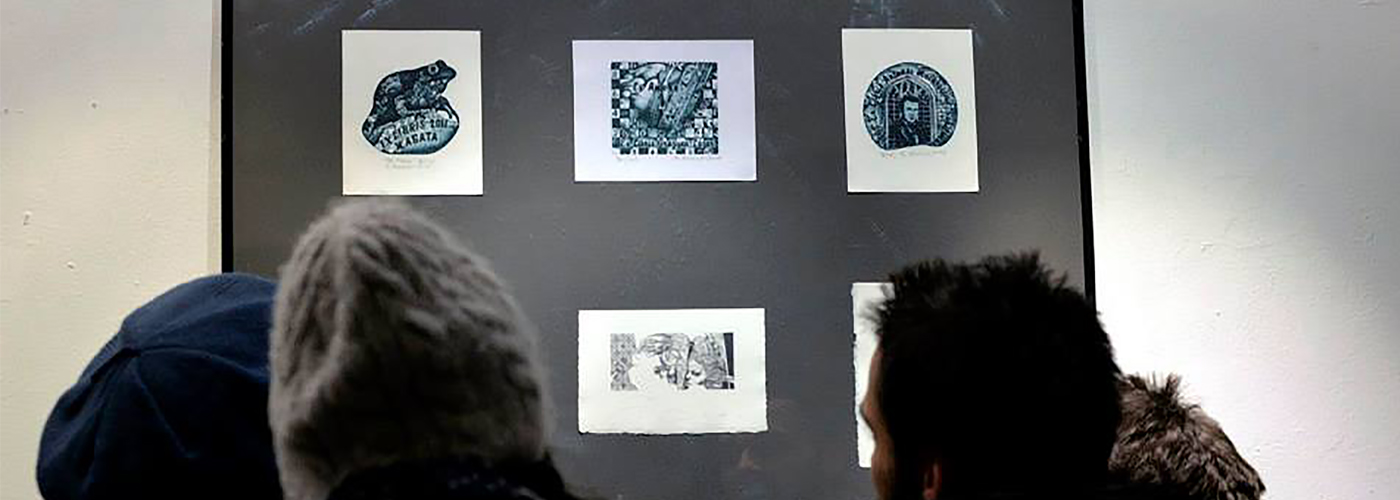


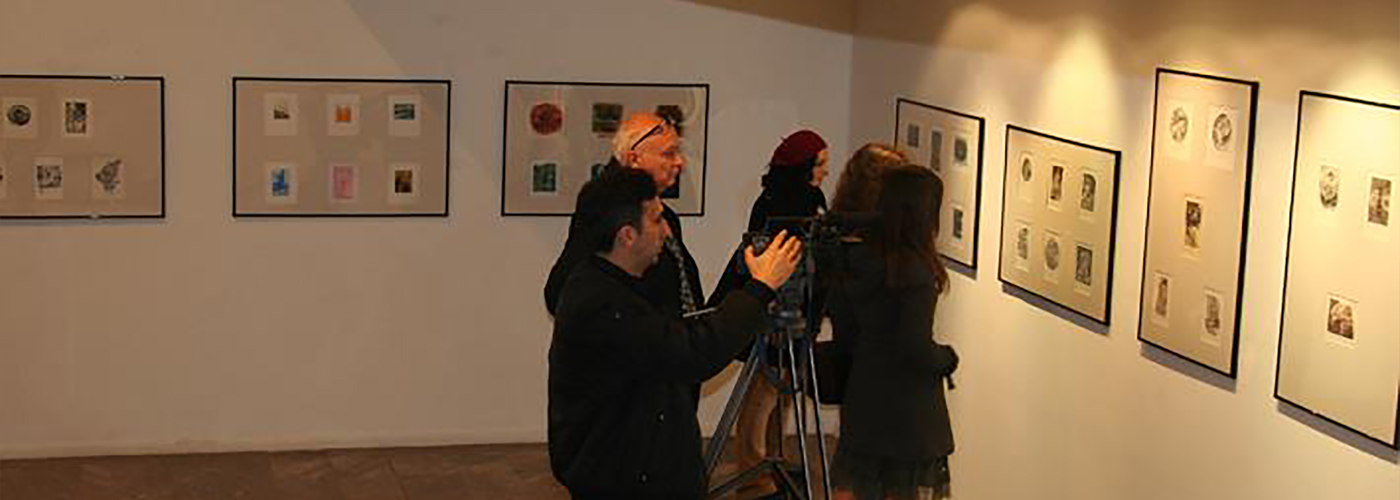
The ex-libris does not live on the title page or in the spotlight, but sits carefully on the inside cover: not quite invisible, but not the showpiece either. It is the imprint behind the surface, marking the threshold between the book’s outward face and its inner world. As such, we could argue that the ex-libris is what gives the book its identity, authorship, and belonging.
At a time when equality and justice are often treated as side notes rather than front covers, ex-libris remind us that the real story is often hidden from plain sight, but its imprints endure the test of time. The act of marking, whether on paper, in society, or in memory, is a way of refusing silence. This way, each ex-libris, however small, becomes a voice; and together, they form an archive of persistence, creativity, and hope.
Through this lens, the Biennial becomes not only an exhibition of prints, but also a collective reflection: what imprints are we leaving for the future, and whose voices will be remembered?